Short Answer: Cultivated meat might offer a more gut-friendly option compared to conventional red and processed meats, but there’s no direct scientific evidence yet. Its controlled production methods could reduce harmful contaminants and allow for tailored nutrition, such as lower saturated fats or added prebiotics. However, maintaining gut health still relies on a fibre-rich, plant-based diet.
Key Points:
- Conventional Meat and Gut Health: Red and processed meats can lead to inflammation, reduced microbial diversity, and harmful by-products like TMAO. Diets high in fibre and plant-based foods are better for gut bacteria.
- Cultivated Meat Potential: Produced without antibiotics or contaminants, it could offer cleaner alternatives. Nutritional customisation, like adding prebiotics, might further support gut health.
- Research Gap: No human studies yet confirm its impact on gut microbiomes. Claims remain theoretical until further research is conducted.
- Practical Advice: Balance protein sources with fibre-rich foods like vegetables, legumes, and whole grains. Cultivated meat, when available, should complement a diverse, plant-forward diet.
Takeaway: While cultivated meat has promise, it’s not a standalone solution. Focus on a balanced diet rich in plants, and stay informed as research evolves.
The Gut Microbiome and How Meat Affects It
What Is the Gut Microbiome?
Your gut is home to an intricate network of microorganisms - bacteria, fungi, viruses, and more - mostly residing in the large intestine. This bustling community, known as the gut microbiome, plays a vital role in your health. It includes thousands of bacterial species, each performing unique tasks that work in harmony with your body.
Two dominant bacterial groups, Firmicutes and Bacteroidetes, take centre stage, but the ecosystem is far more diverse. Some bacteria help break down foods your body can't digest alone, while others produce essential vitamins or communicate with your immune system. The diversity of these microbes is crucial because a wider variety of species is linked to better health outcomes.
When your gut microbiome is rich in diversity, it becomes more resilient. It can fend off infections, process complex carbohydrates and fibres more efficiently, and create beneficial compounds like short-chain fatty acids (SCFAs) - such as acetate, propionate, and butyrate - that influence your overall well-being. These SCFAs are particularly important for maintaining gut health, reducing inflammation, and supporting metabolic functions.
On the flip side, low microbial diversity can spell trouble. It’s often associated with chronic inflammation, metabolic disorders like type 2 diabetes, and conditions such as inflammatory bowel disease. A balanced and diverse microbiome acts as a protective shield, bolstering everything from digestion to immune function and even mental health.
However, this balance is delicate. When the composition of your gut microbes shifts in an unhealthy way - a condition known as dysbiosis - you may lose beneficial bacteria while harmful ones thrive. Dysbiosis is often linked to modern Western diets, which are typically high in red and processed meats, saturated fats, and sugars, but low in fibre. This imbalance underscores the importance of understanding how different dietary choices, especially meat consumption, impact gut health.
How Conventional Meat Affects Gut Bacteria
Not all proteins affect the gut microbiome equally. Studies suggest that diets high in red and processed meats can alter the bacterial composition in ways that promote inflammation and reduce microbial diversity.
When you consume large amounts of red or processed meat, certain bacteria that specialise in breaking down animal proteins and fats tend to multiply. This shift can lead to the production of compounds like secondary bile acids and TMAO (trimethylamine N-oxide), both of which have been associated with inflammation and an increased risk of diseases such as colorectal cancer and cardiovascular issues.
Dietary patterns play a huge role here. A diet heavy in meat but low in vegetables and fibre can suppress the growth of beneficial bacteria, particularly those that ferment fibre to produce SCFAs. As these fibre-loving microbes decline, inflammation-related bacteria may flourish, increasing the risk of health problems.
On the other hand, lean meats and fish tend to have a more neutral impact on the gut when consumed in moderation as part of a balanced diet. Including plenty of vegetables, whole grains, and other fibre-rich foods alongside lean proteins can help maintain microbial diversity. This approach contrasts sharply with the effects of frequently consuming processed meats like sausages, bacon, or fatty cuts of red meat.
Plant-forward diets are generally more supportive of a diverse and anti-inflammatory microbiome. In omnivorous diets, a high intake of red and processed meats often correlates with increased levels of bacteria linked to the digestion of animal proteins and the production of metabolic by-products associated with health risks. However, incorporating a variety of plant-based foods can shift the microbiome in a healthier direction.
Interestingly, research shows that the gut microbiome can adapt within days when dietary habits change. Switching from an animal-heavy to a plant-rich diet can quickly alter the microbial composition. While these changes happen fast, it’s the long-term dietary patterns that foster a stable microbiome capable of reducing inflammation and supporting better metabolic health.
If you're keeping up with the latest research, pay attention to studies that measure bacterial diversity indices, the abundance of beneficial bacteria like Faecalibacterium and Bifidobacterium, and the production of SCFAs. It’s also worth noting markers such as TMAO, secondary bile acids, and pro-inflammatory bacteria, which tend to increase with higher consumption of red and processed meats.
This leads to an intriguing question: could cultivated meat, with its controlled production methods, offer a more gut-friendly alternative? As research unfolds, it’s worth considering whether this emerging option might help maintain a healthier microbiome.
The Problem: Gut Health Issues Linked to Conventional Meat
Western Diets and Gut Microbiome Problems
The typical Western diet, common in the UK and other developed nations, is loaded with processed and red meats, saturated fats, sugars, and lacks fibre. This combination has led to widespread gut health concerns. Research links this diet to reduced gut microbial diversity and an increase in bacteria associated with inflammation and metabolic diseases [4][2].
When processed meats dominate your meals, often paired with minimal vegetables and wholegrains, the gut microbiome reacts quickly. Studies reveal that a meat-heavy diet can alter gut bacteria in just 1–2 days. This shift favours bile-tolerant microbes that thrive on fats and proteins from meat. While these microbes flourish, fibre-fermenting species decline. The overgrowth of these bile-tolerant bacteria has been tied to intestinal inflammation and conditions like inflammatory bowel disease [3][4].
Large-scale studies, involving over 21,000 participants, highlight the benefits of plant-based diets. These diets encourage the growth of microbes linked to better health, while high red meat consumption supports bacteria associated with inflammation and colorectal cancer [2].
The science behind these findings is becoming clearer. Gut bacteria that thrive on meat convert compounds like carnitine and choline into metabolites such as TMAO, which have been linked to cardiovascular risks [4]. A review of 85 human studies on meat consumption and gut health found that higher meat intake often reduces beneficial bacteria like Faecalibacterium and Anaerostipes - species known for producing butyrate, a compound essential for gut health. At the same time, it increases bacteria typically associated with animal-based diets [4].
Processed meats, in particular, raise red flags. Observational studies suggest that eating just 50 grams of processed meat daily may increase colorectal cancer risk by around 18%. This is thought to be due to factors like nitrosamine formation and harmful microbiome changes [4].
This imbalance in gut bacteria doesn’t just stay in your digestive system. It can lead to a domino effect, contributing to metabolic disorders, chronic inflammation, and cardiovascular diseases. These findings have left many people questioning their meat consumption habits.
Consumer Uncertainty About Meat and Gut Health
With these gut health challenges in mind, UK consumers are increasingly unsure about the role of meat in their diets. While more people are turning to probiotics, high-fibre foods, and "gut-friendly" eating plans [2], the question of how meat fits into a healthy diet remains unresolved.
Familiar eating habits often clash with new health warnings. People are left wondering how much meat is too much, what types are better, and how to balance their meals. Although research on meat and the microbiome is still evolving, one finding remains consistent: excessive consumption of processed and red meats, especially when paired with a low-fibre diet, is linked to less favourable gut bacteria profiles [4].
Adding to the confusion, much of the advice focuses on what to avoid, without offering practical alternatives. This has led many UK consumers to explore flexitarian or plant-forward diets. These approaches aim to reduce red and processed meat while increasing plant-based foods [2][4]. However, concerns about getting enough protein, maintaining familiar meal patterns, and preparing satisfying meals for the whole family remain significant barriers.
The dilemma is clear: how can you continue to enjoy the flavour, convenience, and nutritional benefits of meat while addressing its potential impact on gut health? The old adage of "everything in moderation" feels increasingly outdated when even moderate meat consumption may have long-term effects on your microbiome.
As nutrition research shifts from focusing on individual foods to examining overall dietary patterns, the conversation becomes even more complex [2][4]. It’s not just about whether you eat meat - it’s about how much, what kind, how it’s prepared, and what else is on your plate. For many in the UK, navigating these choices can feel overwhelming, sparking a demand for clearer guidance and protein options that align with both health goals and lifestyle needs.
Huge Gut Microbiome Difference: All Meat vs. All Plants | Dr. Will Bulsiewicz Live Q&A
sbb-itb-c323ed3
Could Cultivated Meat Support Better Gut Health?
Conventional meat has long been linked to challenges for gut health, raising the question: could Cultivated Meat offer a healthier alternative? While research is still in its early days, certain aspects of how Cultivated Meat is produced suggest it might be more supportive of a balanced gut microbiome.
Tailored Nutritional Profiles
One of the standout features of Cultivated Meat is its ability to be nutritionally tailored during production. For example, producers can lower saturated fat levels while increasing omega-3 fatty acids. Diets high in saturated fats are known to promote inflammation, which can negatively affect gut bacteria. By altering the fat composition, Cultivated Meat could potentially reduce this inflammatory impact.
Additionally, Cultivated Meat could be enriched with prebiotics like inulin or resistant starch - compounds not typically found in conventional meat. These prebiotics serve as food for beneficial gut bacteria, helping to produce short-chain fatty acids that strengthen the gut lining and support immune health. Imagine a future where Cultivated Meat products, such as burgers or sausages, come with reduced saturated fat, added omega-3s, and prebiotic fibres, forming part of a gut-friendly diet. However, it’s essential to pair these products with other gut-nourishing foods like vegetables, wholegrains, legumes, and fermented items to truly promote microbial diversity.
This ability to customise nutritional content positions Cultivated Meat as a promising option for improving gut health.
Cleaner Production with Fewer Contaminants
Another potential advantage lies in the controlled environment where Cultivated Meat is produced. Unlike conventional meat, which can carry harmful microbes from animal guts, farm conditions, or slaughterhouses, Cultivated Meat is grown under sterile, food-grade conditions. This significantly reduces the risk of contaminants that might harm gut health, such as zoonotic bacteria or antibiotic residues.
Conventional farming often involves the routine use of antibiotics - approximately 70% of all antibiotics are used in livestock farming [1]. These antibiotics can leave residues in meat, potentially disrupting the gut microbiome. Cultivated Meat eliminates the need for antibiotics altogether, as it is grown without the involvement of live animals.
"Cultivated Meat is grown in controlled environments, eliminating the need for antibiotics, unlike conventional farming where antibiotics are widely used." [1]
This sterile and controlled production process minimises the risks of antibiotic residues and harmful by-products, offering a cleaner alternative that could place less strain on the gut.
More Research Is Needed
While the potential benefits of Cultivated Meat are exciting, they remain theoretical for now. There is currently no direct human research examining how regular consumption of Cultivated Meat impacts gut bacteria, gut metabolites, or inflammation markers. This means that any claims about its gut health advantages are speculative at this stage.
To validate these potential benefits, well-designed studies are essential. Short-term trials could assess how replacing conventional meat with Cultivated Meat affects the gut microbiome, short-chain fatty acid production, or inflammation levels. Long-term studies in everyday settings could explore whether sustained consumption leads to healthier gut profiles or reduces the risk of gut-related conditions.
Experts such as gastroenterologists, microbiome researchers, and dietitians will be crucial in identifying the right biomarkers and figuring out how Cultivated Meat can fit into a balanced, plant-rich diet. Until such evidence is available, consumers in the UK should approach claims about Cultivated Meat and gut health with caution. It’s best viewed as one component of a diverse, gut-friendly diet that prioritises vegetables, wholegrains, and minimally processed foods.
Platforms like Cultivated Meat Shop can help consumers make informed choices. They provide insights into how Cultivated Meat is produced, highlight features like reduced saturated fat or added fibre, and offer practical advice on incorporating it into a gut-friendly lifestyle. Rather than relying on Cultivated Meat as a standalone solution, it’s important to see it as part of a broader strategy for maintaining gut health.
Practical Advice for UK Consumers
Building a Gut-Friendly Diet
Supporting your gut microbiome doesn’t mean overhauling your entire diet. Instead, focus on fibre-packed, plant-based foods alongside moderate portions of protein. Small, practical changes can make a big difference over time.
Start by aiming to fill half your plate with vegetables or salad at most meals. This simple habit boosts fibre intake and introduces a variety of plant compounds that your gut bacteria thrive on. Incorporating a mix of vegetables, fruits, herbs, nuts, seeds, and pulses is key. Research shows that a diverse range of plants supports gut health, strengthens the immune system, and reduces the risk of chronic illnesses [2][3].
For everyday meals, go for wholemeal bread, brown rice, or porridge oats topped with berries and flaxseed. These provide fermentable fibres that feed beneficial gut bacteria [2][3].
Pulses like lentils and chickpeas are another excellent source of prebiotic fibre. Try dishes like lentil and vegetable shepherd’s pie, a chickpea curry with brown rice, or add a tin of beans to soups and stews. Keeping staples like tinned beans, lentils, and chopped tomatoes in your cupboard makes it easy to whip up quick, fibre-rich meals without much effort.
In addition, foods rich in prebiotics can help nurture your gut bacteria. If you can tolerate fermented foods, consider adding live yoghurt, kefir, or sauerkraut to your meals. These can enhance microbial diversity and support the production of short-chain fatty acids [3][6].
How Cultivated Meat Fits Into Balanced Eating
Once Cultivated Meat becomes available, it can complement these plant-based strategies as part of a balanced diet. Think of it as one protein choice among many, rather than the centrepiece of every meal.
For example, include Cultivated Meat in a weekly rotation with other proteins like fish, eggs, dairy, pulses, nuts, and seeds. Keep portions small and pair them with fibre-rich sides. If you’re having a Cultivated Meat burger, serve it in a wholegrain bun with plenty of salad, roasted veg, or a side of beans. This ensures you’re still getting the plant diversity and fibre your gut needs to thrive [2][3][5].
Adopting a “meat-light” approach can help you shift towards gut-friendly eating patterns without feeling restricted. Plan a few plant-based or pulse-based meals each week, and keep meat portions modest on the days you include it. This gradual adjustment supports a healthier gut microbiome while allowing you to enjoy the foods you love.
When Cultivated Meat products hit supermarket shelves, check the labels just as you would with any other protein. Look for options with healthier fat profiles (more unsaturated fats, less saturated fat), reasonable sodium levels, and suggestions for fibre-rich pairings. Some products may even include added nutrients or prebiotic fibres, making them easier to incorporate into a gut-conscious diet [5].
Remember, no single food can “fix” your gut. Long-term gut health depends on consistently eating fibre-rich plant foods, moderating animal product intake, staying active, getting enough sleep, and managing stress. Cultivated Meat can be a helpful option for those who want to include meat in their diet while focusing on health and sustainability, but it should always be part of a diverse, plant-rich eating pattern [2][3][5].
Staying Informed With Cultivated Meat Shop
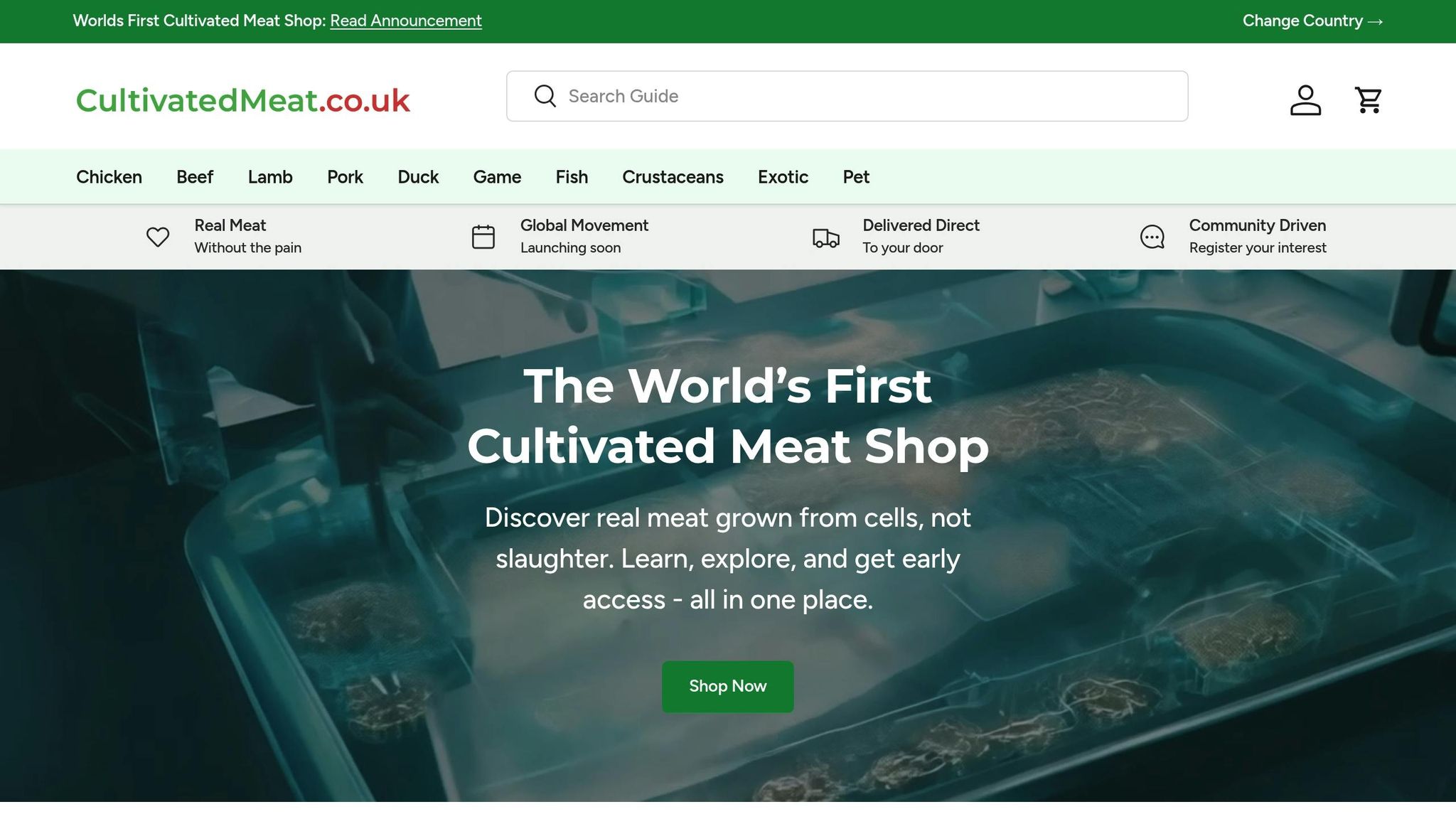
As you work towards better gut health, staying informed about Cultivated Meat developments is key. When these products become available in the UK, having access to reliable, up-to-date information will help you decide how they fit into your diet. Cultivated Meat Shop is a great resource, offering clear explanations about how Cultivated Meat is made, its nutritional profile, and how it aligns with evidence-based dietary advice for gut and overall health [5].
The platform’s Guides and Insights & News sections provide practical resources tailored for UK consumers. For instance, an article published on 1st December 2025, “How Cultivated Meat Avoids Antibiotic Use,” explains how these products are grown in controlled environments without antibiotics. This is a major shift from conventional farming, where antibiotic use is common. Avoiding antibiotic residues in meat is crucial, as they can disrupt the gut microbiome and contribute to antibiotic resistance [1].
Cultivated Meat Shop also shares expert interviews, summaries of studies, and meal ideas that pair Cultivated Meat with fibre-rich sides. This helps UK consumers understand not just what Cultivated Meat is, but how to incorporate it into a balanced, gut-friendly diet when it hits the market [2][3][5].
You can even sign up for updates to ensure you’re among the first to know when Cultivated Meat products become available in the UK. Whether you’re a busy parent looking for quick, nutritious meals, a young professional aiming for sustainable eating, or someone focused on digestive health, Cultivated Meat Shop has the resources to help you make informed choices [2][3][5].
Conclusion
The link between meat consumption and gut microbiome health is intricate, and the introduction of Cultivated Meat adds a fresh layer to this discussion. Traditional meat - particularly red and processed types often consumed in Western diets - has been associated with changes in gut bacteria that could heighten inflammation and disease risks. In contrast, Cultivated Meat presents a different approach. Its controlled, antibiotic-free production process and potential for tailored nutrition aim to address some of the concerns tied to conventional meat.
That said, it’s crucial to highlight a key point: no human studies have yet confirmed how Cultivated Meat affects the gut microbiome. The potential benefits discussed so far are based on its production methods and theoretical models. To truly understand its impact, rigorous, peer-reviewed human trials will be essential.
Maintaining gut health still revolves around the basics: a diet rich in fibre and diverse plant-based foods, paired with moderate meat consumption. These well-established principles remain the cornerstone of any gut-friendly eating pattern. Cultivated Meat, once available, should be seen as just one protein option in a varied diet - not a cure-all, but possibly a helpful addition to a plant-forward plate.
For UK consumers, these findings underscore the importance of balancing innovation with time-tested dietary habits. Staying informed as this field grows is key. The Cultivated Meat Shop offers a dependable resource, providing clear information about how Cultivated Meat is produced, its nutritional profile, and how it could fit into everyday meals. Their Insights & News section covers topics like antibiotic-free production and culinary uses, helping you navigate both the science and practical aspects of this emerging food category. You can even join their waitlist for updates, ensuring you're ready to make informed decisions about incorporating Cultivated Meat into your gut-friendly diet.
As our understanding of meat and its relationship with gut health continues to evolve, Cultivated Meat stands out as a promising - though not yet proven - alternative. While we await peer-reviewed human studies, UK consumers should consider it as one of many options in a balanced, fibre-rich diet. Keep an eye on resources like the Cultivated Meat Shop for the latest developments in this growing field. In the end, balance and variety remain the guiding principles for a healthy diet, even as we explore the potential role of Cultivated Meat in the future.
FAQs
Can cultivated meat have a positive effect on gut health?
The connection between cultivated meat and gut health is a topic gaining attention. Although research is still in its early days, cultivated meat might offer some perks thanks to its controlled production process. Unlike traditional meat, which can sometimes carry antibiotics or contaminants from farming methods, cultivated meat is produced in a clean setting. This could mean less exposure to substances that might negatively impact gut health.
That said, we need more research to truly understand how cultivated meat interacts with the gut microbiome. As this new food option becomes more common, scientists will likely dig deeper into its effects on overall health, including gut health. If you're curious about cultivated meat and what it could bring to the table, Cultivated Meat Shop is a great place to explore resources and learn more about this cutting-edge food trend.
Can cultivated meat with added prebiotics benefit gut health?
Cultivated meat, when combined with prebiotics, could play a role in supporting gut health by encouraging the growth of beneficial bacteria in the digestive system. Prebiotics are essentially non-digestible fibres that act as nourishment for probiotics - the "good" bacteria that help maintain a balanced gut microbiome.
Although the research is still in its early stages, incorporating prebiotics into cultivated meat might boost its nutritional profile and contribute to a healthier digestive system. This idea adds another layer of appeal to cultivated meat, which is already recognised for its potential to address issues like food sustainability and reducing environmental strain. It’s definitely an area worth keeping an eye on as it evolves.
How can a plant-rich diet complement cultivated meat for better gut health?
Maintaining a diet rich in plants while incorporating cultivated meat can do wonders for your gut health. Why? Because plants provide the essential fibre your gut needs to thrive. Fibre, found in fruits, vegetables, whole grains, and legumes, is the backbone of a healthy microbiome, feeding the good bacteria that keep your digestive system in check.
On the other hand, cultivated meat is a great source of high-quality protein and nutrients, but it doesn’t contain fibre. By pairing it with a variety of plant-based foods, you get the best of both worlds: the cutting-edge benefits of cultivated meat and the gut-nurturing properties of fibre-packed plants. This combination supports a healthy gut and contributes to overall well-being.